

 See My Latest Article on HelloNation
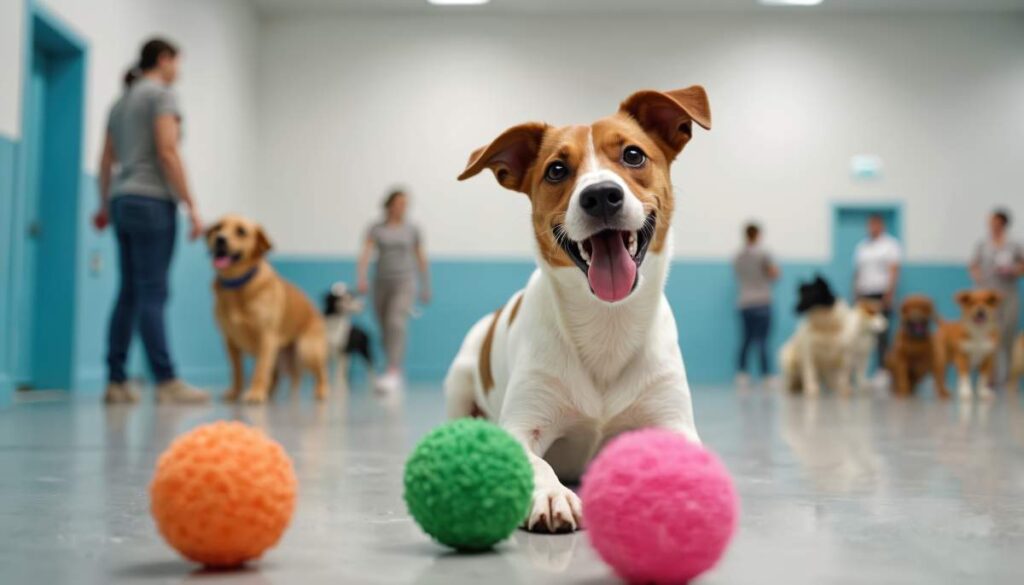
Dogs need daily movement for more than physical fitness. Regular activity supports healthy weight, digestion, sleep, confidence, and calmer behavior. The right amount depends on a dog’s age, breed tendencies, health, personality, and the type of exercise—not simply the number of minutes spent outside.
How much daily exercise does a dog need?
Most healthy adult dogs need about 30 minutes to two hours of physical activity each day, often divided into two or more sessions. That range is broad because a senior companion dog and a young working-breed dog may have completely different needs.
A useful starting point is:
- Lower-energy adult dogs: About 30–60 minutes daily
- Moderately active dogs: About 60–90 minutes daily
- High-energy or working-type dogs: About 90 minutes to two hours or more, with veterinary guidance when appropriate
- Puppies: Several short play and exploration sessions rather than long, forced walks
- Senior dogs: Gentle, consistent movement adjusted for mobility and comfort
Exercise includes more than walking. Fetch, supervised play, training games, scent activities, swimming where safe, and relaxed exploration all contribute to a dog’s daily activity.
What affects a dog’s exercise needs?
Breed can provide clues, but it should not determine the entire routine. Individual dogs within the same breed can have very different energy levels.
Age is one of the clearest factors. Puppies often appear tireless, but their bones and joints are still developing. Short play periods, brief walks, and training exercises are usually safer than long-distance running or repetitive jumping. A young dog may need several opportunities to move and investigate, followed by quiet rest.
Adult dogs generally benefit from a predictable combination of aerobic activity, play, and mental stimulation. Some dogs are satisfied after a brisk walk and a short training session, while others need active games or longer exploration.
Older dogs may still need daily exercise, but the goal often shifts from endurance to maintaining mobility. Several gentle walks can be more comfortable than one long outing. Stiffness, limping, reluctance to use stairs, or unusual fatigue should not be treated as normal aging without evaluation.
Health, body condition, breathing ability, and medications also matter. Dogs carrying excess weight may need gradual increases in activity rather than strenuous exercise. Dogs with joint disease, heart conditions, respiratory problems, or heat sensitivity need individualized guidance.
Is a walk enough?
A walk can meet much of a dog’s daily exercise requirement, especially when it includes time to sniff and explore. However, a short route taken at a hurried pace may not provide the same physical or mental benefit as a slower walk with opportunities for investigation.
A balanced routine may include:
- A purposeful morning walk
- Short potty and movement breaks during the day
- A sniffing walk or play session later
- Five to 10 minutes of basic training
- Quiet chewing, food puzzles, or scent games indoors
Dogs do not need every walk to be intense. A relaxed sniffing walk can reduce boredom and provide valuable mental stimulation. For many dogs, stopping to process new smells is part of the exercise rather than wasted time.
How should Woodbury weather change the routine?
Seasonal conditions in Woodbury can affect both safety and the type of activity a dog can comfortably handle. Cold, snow, ice, summer humidity, and rapidly changing temperatures all require adjustments.
During hot or humid weather, exercise is generally safer in the cooler parts of the day. Dogs can overheat even when a person feels comfortable, particularly dogs with short muzzles, heavy coats, excess weight, or respiratory problems. Warning signs include heavy or unusual panting, weakness, drooling, vomiting, confusion, or collapse.
In winter, ice and packed snow can make footing difficult. Salt and other sidewalk treatments may irritate paw pads or cause stomach upset if licked. Shorter outdoor sessions, paw checks, and indoor enrichment can help maintain a routine when conditions are unpleasant.
A dog does not need to spend a long time outdoors to stay active during difficult weather. Indoor options include hallway retrieves, hide-and-seek with treats, scent searches, obedience practice, supervised tug, and slow movement through a safe space. Exercise should stop before a dog becomes chilled, overheated, exhausted, or physically uncomfortable.
How can owners tell whether a dog is getting enough exercise?
Behavior provides useful clues. A dog may need more activity if it regularly paces, demands attention, chews destructively, barks from boredom, steals household objects, or has difficulty settling after normal daily events.
However, not every behavior problem means a dog needs more exercise. Anxiety, pain, poor sleep, lack of training, hunger, and overstimulation can look similar. Increasing activity without understanding the cause may make an already stressed dog more tired but not more settled.
A dog receiving an appropriate routine usually has periods of alert activity and periods of relaxed rest. After exercise, the dog should be able to settle comfortably rather than remaining frantic or unable to stop.
Too much exercise can also create problems. Reluctance to continue, persistent panting, soreness, stiffness the next day, limping, or sleeping unusually heavily after activity suggests that the routine may be too demanding. Exercise should increase gradually, especially after a sedentary period.
What should change during dog boarding?
A boarding stay can alter a dog’s normal schedule, so exercise should be based on the individual dog rather than a standard mileage or playtime target. Some dogs enjoy frequent activity around other dogs, while others become overstimulated in busy environments and need quiet breaks.
A useful boarding routine may combine:
- Familiar walking times when possible
- Short, supervised play sessions
- Individual attention for dogs that do not enjoy group activity
- Rest periods in a calm, comfortable space
- Mental enrichment such as scent work or food-based puzzles
- Extra observation for signs of stress, fatigue, or overheating
Dogs may sleep less during the first part of a stay because unfamiliar surroundings keep them alert. That makes rest especially important. A dog that appears energetic may still need scheduled downtime.
Owners can make activity planning easier by providing accurate information about the dog’s usual exercise, limitations, triggers, walking equipment, medication schedule, and preferred activities. It is also helpful to explain whether the dog enjoys canine play, avoids it, or becomes anxious around unfamiliar animals.
Should exercise be increased suddenly?
Sudden increases are best avoided. A dog that normally takes short walks may develop sore muscles or joint strain after an unexpectedly long hike, extended play session, or highly active boarding day.
Increase duration, distance, or intensity gradually. Change only one part of the routine at a time, and allow recovery between demanding sessions. Puppies, older dogs, overweight dogs, and dogs returning from illness or injury may need especially slow progression.
For every dog, the most reliable goal is not maximum activity. It is a consistent routine that provides enough movement and mental engagement while preserving comfort, safe recovery, and the ability to relax at home.