

 See My Latest Article on HelloNation

What should a safe dog daycare environment provide?
A safe dog daycare environment combines appropriate group management, clean and secure facilities, trained supervision, health screening, and enough rest. The goal is not to keep dogs active every minute. It is to prevent avoidable stress, injury, illness, and escapes while allowing dogs to socialize at a pace that fits their temperament.
For households in Woodbury, MN, the right setting should also account for seasonal conditions. Hot, humid summer days, winter cold, snow, ice, and spring mud can all affect how dogs exercise, use outdoor areas, and transition between indoor and outdoor spaces.
How are dogs grouped safely?
Dogs should not be placed into one large, unmanaged group simply because they are similar in size. Safe grouping considers several factors:
- Size and physical strength
- Age and play style
- Energy level
- Social history
- Confidence, fear, or guarding behavior
- Ability to respond to staff direction
- Comfort around puppies or senior dogs
A young dog that enjoys fast chase games may overwhelm an older dog, even if both are friendly. Likewise, a small dog may be comfortable with calm larger dogs but unsafe in a group that plays with frequent body-slamming or rough wrestling.
Staff should be able to explain how dogs are introduced, when groups are adjusted, and what behaviors lead to a temporary break or different group. A gradual introduction is generally safer than immediately releasing a new arrival into a crowded play area.
Why does active supervision matter?
Supervision means more than having a person somewhere in the building. Staff should be able to observe body language, interrupt escalating play, identify illness, and respond quickly when a dog becomes frightened or injured.
Healthy play usually includes pauses, role changes, loose body movement, and the ability for dogs to disengage. Warning signs may include:
- Persistent chasing when one dog is trying to escape
- Repeated pinning or cornering
- Stiff posture, hard staring, or raised hackles
- Hiding, trembling, excessive panting, or repeated attempts to leave
- Guarding food, toys, resting areas, or people
- A dog repeatedly ignoring another dog’s signals to stop
Safe staff intervention should occur before a conflict becomes a fight. Dogs also need places where they can separate from the group without being punished for needing space.
What facility features reduce risk?
The physical environment should be secure, sanitary, and designed around canine movement. Useful features include secure doors and gates, fencing without climbable gaps, nonslip flooring, adequate ventilation, and surfaces that can be cleaned thoroughly.
A responsible setting should have separate areas for:
- Active play
- Rest and decompression
- Feeding or medication
- Dogs that are ill, injured, or unable to participate safely
Rest areas are especially important. Dogs that are overstimulated may become irritable, physically exhausted, or less responsive to social signals. Scheduled quiet periods can reduce those risks.
Outdoor areas require additional attention during Minnesota weather. In warm conditions, dogs need shade, water, airflow, and limits on strenuous activity. During winter, staff should monitor paws, ice buildup, slippery surfaces, and exposure time. Snow or frozen ground should not be treated as automatically safe simply because a dog appears eager to play.
How should health screening work?
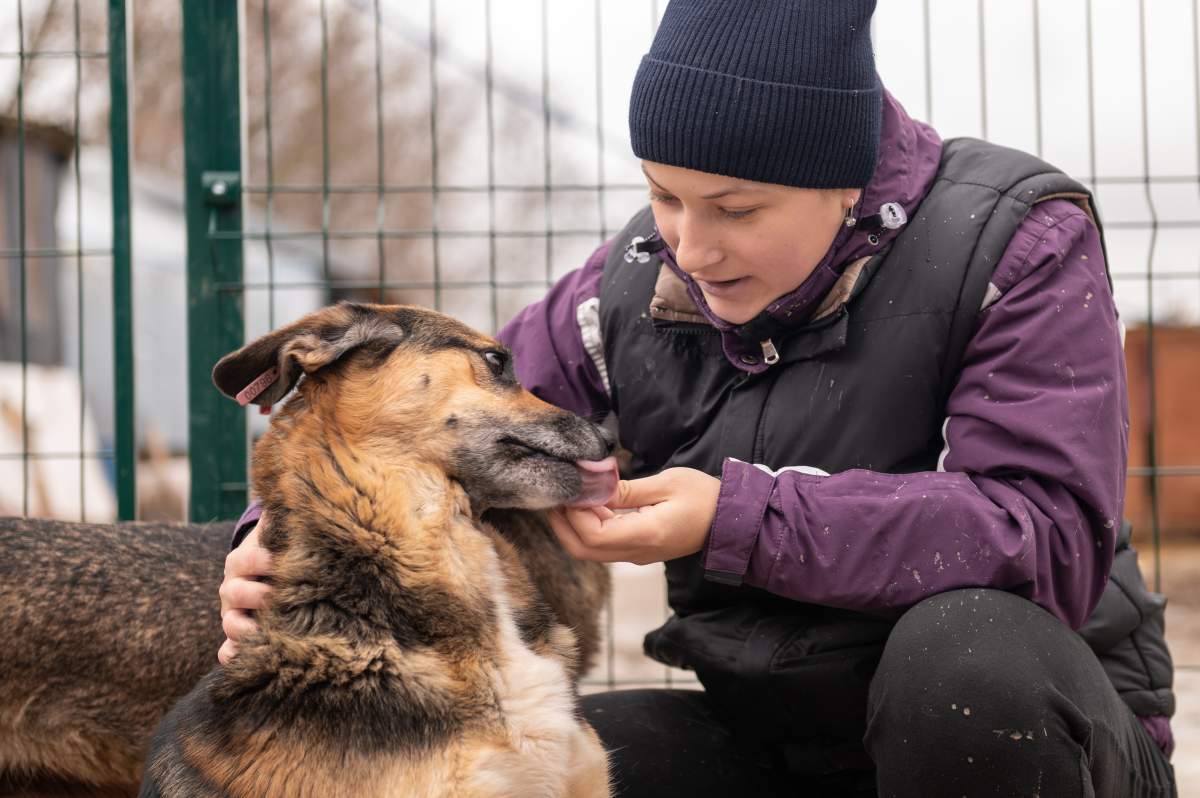
Health screening is one of the clearest signs that a daycare takes disease prevention seriously. Dogs should be checked for signs such as coughing, vomiting, diarrhea, eye or nasal discharge, open wounds, unusual lethargy, or contagious skin conditions.
Vaccination and parasite-control policies should be explained in writing. A safe program should also maintain current emergency contact information, veterinary details, medication instructions, and information about allergies or chronic conditions.
Local residents should confirm that their dog’s rabies documentation is current. Woodbury requires dogs at least six months old to be licensed within 60 days for new residents or newly acquired dogs, and the city’s application requires rabies information. ([woodburymn.gov](https://www.woodburymn.gov/DocumentCenter/View/158/Dog-License-Application-PDF?bidId=&utm_source=openai))
Dog daycare facilities may not fall under the same licensing framework as every type of kennel or boarding operation. Minnesota’s licensing information specifically distinguishes animal day care and training or boarding facilities from certain kennel-license requirements. That means families should evaluate the facility’s actual policies, procedures, staffing, and emergency planning rather than assuming a license alone proves quality. ([mn.gov](https://mn.gov/elicense/a-z/?id=1083-231269&utm_source=openai))
What emergency planning should be in place?
A safe environment has written procedures for injuries, dog fights, illness, fire, severe weather, power loss, and evacuation. Staff should know which person contacts the owner, how a dog is transported for urgent care, and where medical records are stored.
Questions worth asking include:
- Is first-aid equipment readily available?
- Are staff trained to recognize heat stress and respiratory distress?
- How are medication instructions recorded?
- What happens if a dog is injured during play?
- How are owners notified about incidents?
- Is there a plan for tornado warnings, extreme cold, or building evacuation?
Emergency planning also includes identity control. Dogs should be matched carefully to their records, belongings, feeding instructions, and authorized pickup information. Minnesota kennel rules, where applicable, emphasize reliable identification through tags, cage identification, microchips, or another approved method. ([revisor.mn.gov](https://www.revisor.mn.gov/rules/1721.0520/?utm_source=openai))
How do local leash and containment rules affect daycare safety?
A dog daycare setting should have a controlled arrival and departure process. Gates should not open directly into an area where an unattended dog could run toward a parking area, roadway, or unfamiliar surroundings.
Woodbury’s animal-control information states that dogs must be leashed and under the owner’s control when off the owner’s property, and that animals may not run at large. These rules reinforce a practical safety principle: transitions are part of daycare management, not an afterthought. ([woodburymn.gov](https://www.woodburymn.gov/509/Animal-Control?utm_source=openai))
Owners should look for double-gate systems, secure handoffs, and procedures that prevent one dog from slipping through while another is entering or leaving.
Is group daycare appropriate for every dog?
No. Some dogs are safer and more comfortable with individual attention, shorter visits, structured walks, or quiet rest rather than open group play. Dogs with severe fear, a history of aggression, certain medical conditions, advanced age, or strong sensitivity to noise may not benefit from a busy social environment.
A dog that behaves well at home may still struggle in a crowded daycare setting. New surroundings, unfamiliar dogs, limited personal space, and continuous activity can produce stress that is not obvious at first.
After a visit, watch for persistent exhaustion, diarrhea, reluctance to enter, new fearfulness, coughing, limping, or unusual irritability. These signs do not automatically prove that daycare was unsafe, but they do indicate that the schedule, group, environment, or type of care may need to be reconsidered.
The safest daycare environment is not necessarily the largest, busiest, or most entertaining. It is the setting with clear limits, thoughtful supervision, dependable sanitation, secure handling, and enough flexibility to recognize that dogs differ in how they socialize, rest, and recover.