

 See My Latest Article on HelloNation
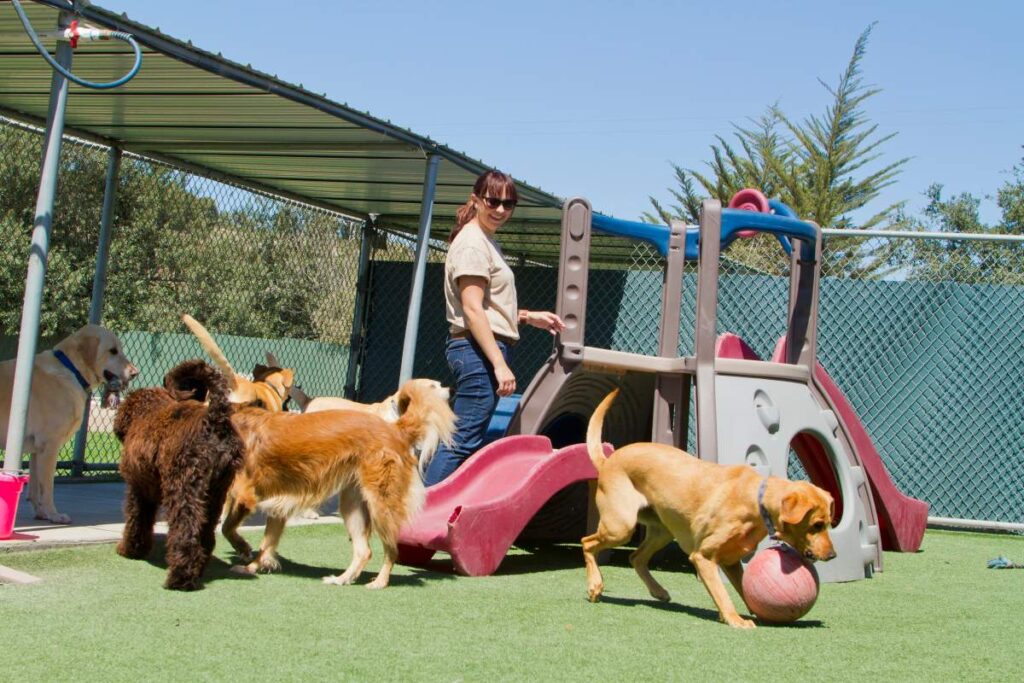
Dogs often notice the back-to-school transition before people do. A household that was active during summer may suddenly become quiet for several hours, morning routines may become rushed, and daily walks or play sessions may happen at different times. Dog daycare can help some dogs adjust by providing structured activity, social contact, and predictable supervision while the household schedule changes.
The benefits depend on the individual dog, the quality of the setting, and how gradually the new routine is introduced. Daycare is not automatically appropriate for every dog, but it can be a useful part of a broader adjustment plan for families in Woodbury.
Why do dogs struggle when children return to school?
Dogs may react to changes in household activity, even when the change seems ordinary to people. During summer, children may be home more often, meals may occur at flexible times, and dogs may receive frequent attention. Once school begins, the home can become quiet and empty for longer periods.
Common signs of difficulty include:
- Barking or whining after the family leaves
- Pacing, restlessness, or repeated checking of doors and windows
- Chewing, digging, or other destructive behavior
- Accidents indoors despite previous house-training
- Excessive excitement when children return
- Reduced appetite or changes in sleep
- Clinginess before departure or reluctance to separate
These behaviors do not always mean a dog has separation anxiety. Some dogs are simply responding to a sudden loss of stimulation or a disrupted routine. Others may be sensitive to changes in family relationships, especially if children were the dog’s primary playmates during the summer.
How can dog daycare make the transition easier?
Dog daycare can provide a predictable daytime structure that replaces some of the activity a dog received when children were home. A well-managed setting may include supervised play, rest periods, bathroom breaks, and opportunities for appropriate social interaction.
The main adjustment benefits often come from three areas:
Consistent daytime activity
Physical activity can help reduce boredom and excess energy. This does not mean a dog should be exhausted every day. Overly intense play can leave some dogs overstimulated rather than relaxed. Balanced daycare should include quieter periods so dogs can recover and sleep.
Social contact
Some dogs enjoy being around compatible dogs and familiar people. Social contact may reduce the abrupt contrast between a busy summer household and a quiet school-day home. However, social interaction should be matched to the dog’s temperament. A dog that prefers people, dislikes group play, or becomes tense around unfamiliar dogs may not benefit from a busy playroom.
A predictable routine
Dogs often cope better when activities happen in a recognizable pattern. Arriving, exercising, resting, eating, and going home at roughly consistent times can give the day a clear rhythm. That predictability may make the household’s morning departure less disruptive.
Is daycare suitable for every dog?
No. Daycare should be evaluated based on the dog’s age, health, temperament, play style, and previous experiences.
Puppies may benefit from carefully controlled social exposure, but they also need frequent naps and close supervision. Older dogs may prefer short visits, quiet areas, or human companionship rather than extended group play. Dogs with pain, mobility limitations, chronic illness, or significant fear may need a different form of daytime care.
A dog that becomes overwhelmed in groups may show signs such as:
- Hiding or repeatedly trying to escape interaction
- Stiff posture, lip licking, yawning, or freezing
- Growling when approached
- Persistent mounting or chasing
- Excessive panting unrelated to heat or exercise
- Inability to settle during rest periods
These behaviors should not be dismissed as a dog “just needing to get used to it.” A suitable environment should have a plan for separating dogs, providing rest, and preventing unwanted interactions.
Should families start daycare before school begins?
Starting before the first school day can make the change less abrupt. A short introductory visit or limited schedule may allow the dog to learn the setting while the family still has flexibility.

A gradual approach might include:
- Visiting the facility briefly without expecting a full day
- Trying a shorter stay before attempting a longer one
- Keeping drop-off and pick-up routines calm
- Maintaining familiar feeding and sleeping times at home
- Watching the dog’s behavior later that day and the following morning
The goal is not simply to tire the dog out. The goal is to help the dog learn that a temporary separation leads to a predictable return and a manageable daily experience.
Families should also avoid introducing several major changes at once. A new food, new sleeping arrangement, new walking schedule, and first daycare visit during the same week can make it difficult to identify what is helping or causing stress.
What should Woodbury households consider in late summer and fall?
Seasonal conditions can affect how daycare works for dogs. Late summer may bring heat and humidity, while early fall can include sudden temperature changes, rain, and shorter daylight hours. Outdoor activity should be adjusted for weather, coat type, age, and health.
Local housing patterns also matter. Many dogs live in suburban homes where they may hear neighborhood activity but have limited daytime companionship once family members leave. Dogs in townhomes or closely spaced neighborhoods may also bark in response to delivery activity, hallway sounds, or nearby movement.
A daycare routine may help provide daytime engagement, but it should not replace home-based enrichment. Puzzle feeding, scent games, short training sessions, and calm walks can help a dog transition between daycare days and quiet days at home.
Can daycare prevent separation anxiety?
Daycare may reduce boredom and provide companionship, but it does not cure separation anxiety. Separation anxiety is a serious distress response that may involve escape attempts, intense vocalization, self-injury, or destruction focused around exits.
A dog with these symptoms may need a more individualized behavior plan. Repeatedly leaving the dog for long periods without addressing the underlying distress can worsen the problem. In serious cases, veterinary guidance may be necessary, especially if the dog is injuring itself, refusing food, or showing sudden behavior changes.
Daycare can still be part of a plan for some dogs, but it should not be treated as a substitute for gradual separation training or medical evaluation.
How can families tell whether daycare is helping?
Look beyond whether the dog sleeps heavily after returning home. A tired dog is not necessarily a relaxed dog. Helpful signs include settling comfortably, eating normally, showing interest in family interaction, and maintaining typical behavior on non-daycare days.
Potential warning signs include ongoing exhaustion, reluctance to enter the setting, diarrhea, repeated paw licking, new reactivity, or increased anxiety at home. These signs may indicate that the schedule, environment, group size, or activity level is not a good match.
A useful adjustment plan may combine occasional daycare with quiet home days, consistent morning cues, predictable departures, and age-appropriate enrichment. For many dogs, the most successful routine is not the busiest one. It is the one that provides enough activity without creating more stress.
What is a practical back-to-school routine for a dog?
A steady routine might include a bathroom break and short sniffing walk before the household leaves, a midday period of supervised activity or rest, and a calm evening rather than immediate high-energy play. Children can help by practicing quiet greetings and avoiding rough play when the dog appears tired.
The transition usually works best when the dog’s needs are considered separately from the school calendar. Some dogs need more exercise, while others need more rest, distance from group play, or reassurance during departures. Paying attention to those differences helps families create a back-to-school routine that is predictable, humane, and realistic for both the dog and the household.