

 See My Latest Article on HelloNation

Dogs often handle boarding more comfortably when daily care follows a familiar pattern. Regular mealtimes, walks, rest periods, bathroom breaks, and bedtime cues can reduce uncertainty and help a dog understand what to expect in an unfamiliar setting.
For households in Woodbury, routine can be especially useful during boarding because dogs may already be adjusting to changes in weather, daylight, household schedules, or indoor activity. A predictable rhythm gives them stable points in the day even when their surroundings are different.
What does routine mean for a dog?
A dog’s routine is the repeated order of daily activities, not necessarily a strict schedule measured to the minute. It may include waking up, going outside, eating, exercising, resting, interacting with people, and settling down for the night.
Dogs learn through repetition. Over time, they begin to anticipate familiar events and recognize signals that tell them what happens next. For example, picking up a leash may signal a walk, while dimmed lights and a quiet room may signal bedtime.
A useful routine usually includes:
- Consistent meal and medication times
- Regular bathroom opportunities
- Exercise suited to the dog’s age, health, and energy level
- Quiet periods for sleep and relaxation
- Predictable social interaction
- Familiar cues for entering a crate, resting area, or sleeping space
The goal is not to make every day identical. The goal is to make the important parts of the day understandable.
Why can routine reduce boarding stress?
Boarding changes several things at once: the location, people, sounds, smells, sleeping area, and daily activity level. A familiar routine can make those changes easier to process.
Predictability may help reduce behaviors associated with uncertainty, such as pacing, excessive barking, hiding, refusing food, or repeatedly seeking attention. Routine does not eliminate stress entirely, and each dog responds differently, but it can give the dog a dependable framework.
A dog may not understand why the usual household has changed, but it can recognize familiar patterns. Eating after a morning bathroom break, resting after activity, and settling down at a regular time can all provide reassurance.
Routine also helps caregivers notice changes. If a dog normally eats at a certain time but suddenly refuses food, or usually rests calmly but becomes unusually restless, the difference may be easier to identify when the daily pattern is clear.
Which routines matter most during boarding?
The most valuable routines are those connected to basic needs and emotional comfort. Feeding and medication schedules generally deserve the closest attention.
Meals and medication
Dogs often do better when food is offered at approximately the same times they are accustomed to at home. Sudden changes in feeding time, portion size, or diet can contribute to stomach upset.
Medication should be provided with clear written instructions, including:
- The name of the medication
- The amount to give
- The usual time
- Whether it should be given with food
- What to do if a dose is missed or refused
Dogs with medical conditions may need a more structured schedule than healthy adult dogs. Routine is supportive, but it does not replace appropriate medical guidance for a dog with ongoing health concerns.
Bathroom breaks
Puppies, older dogs, and dogs with urinary or digestive conditions may need more frequent opportunities to go outside. A dog accustomed to a morning outing, post-meal bathroom break, and final evening trip may become uncomfortable if those patterns change substantially.
A consistent bathroom routine can also reduce accidents caused by unfamiliar surroundings, excitement, or confusion.
Exercise and rest
More activity is not always better. Some dogs become overtired or overstimulated when boarding includes constant play, unfamiliar dogs, or a busy environment.
A balanced routine includes active periods followed by quiet rest. Puppies and young dogs may need several rest periods during the day. Older dogs may benefit from shorter walks, reduced jumping, and additional recovery time.
For dogs living in the community, seasonal conditions can affect the balance. Hot, humid summer weather may require shorter outdoor sessions and access to water and shade. During cold weather, ice, snow, and frozen surfaces can make brief, supervised outings more appropriate than extended outdoor activity. Indoor enrichment and calm interaction can help maintain a routine when weather limits outdoor time.
How can a household prepare a dog before boarding?
Preparation works best when it begins before the boarding stay. A household can write down the dog’s ordinary schedule and practice small changes without disrupting the dog’s basic needs.
Useful details to record include:
- Typical wake-up and bedtime
- Meal times and usual portion sizes
- Bathroom habits
- Preferred walking pace and distance
- Sleep location
- Crate or confinement habits
- Comfort items
- Common stress signals
- Triggers such as loud sounds, unfamiliar dogs, or handling of sensitive body areas
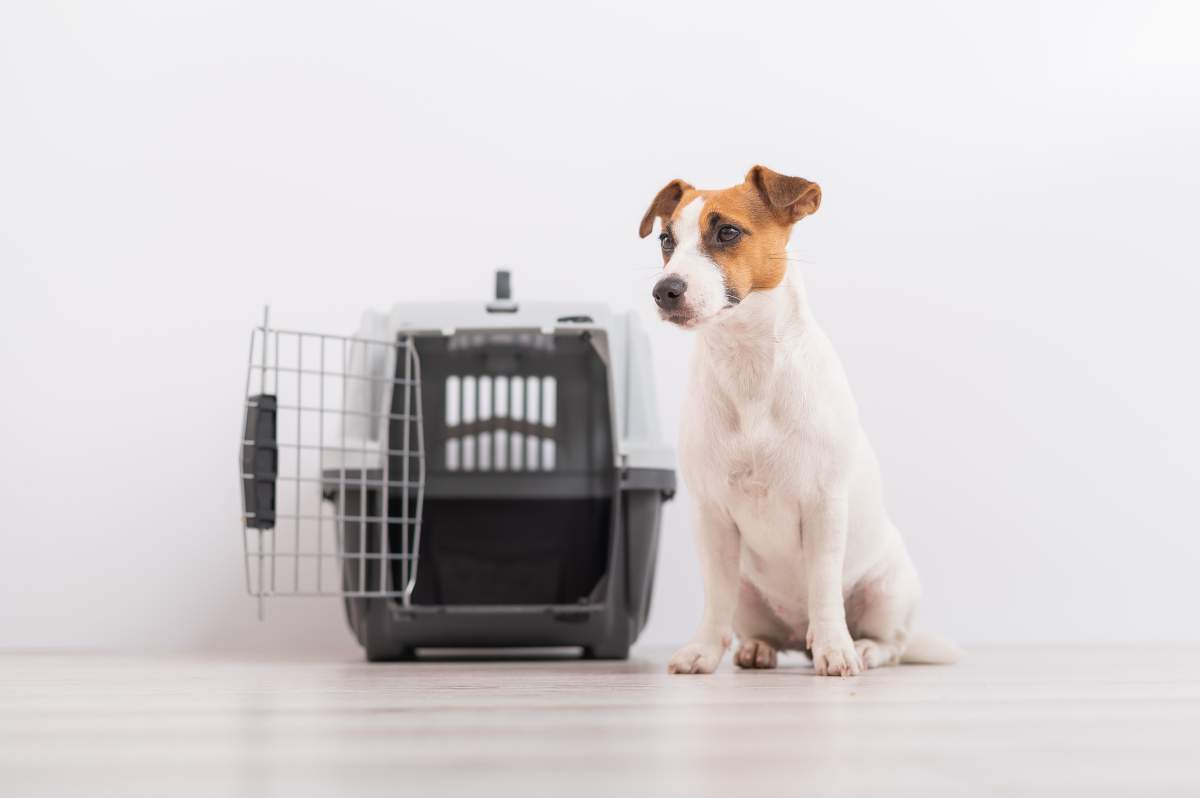
If a dog uses a crate, mat, blanket, or specific verbal cue at home, practicing those cues in different rooms can help make them more portable. The dog does not need to experience a major schedule change to prepare. Rehearsing calm transitions is often more useful than creating an artificial boarding routine.
Dogs should not be introduced to unfamiliar food immediately before a stay. Keeping meals consistent can reduce the chance that stomach upset will be mistaken for anxiety or illness.
Does every dog need the same routine?
No. A routine should reflect the individual dog rather than follow a universal timetable.
A high-energy young dog may need structured play, training, and exercise. A senior dog may need slower movement, more rest, and easier access to water and bathroom areas. A shy dog may benefit from fewer social demands and more predictable quiet time.
Some dogs are comfortable eating in a new place, while others need time before they feel relaxed enough to finish a meal. Some settle quickly at night, while others need familiar bedding or a gradual wind-down period.
Behavior changes should be considered in context. A small appetite change during the first day may occur during adjustment, but repeated vomiting, diarrhea, breathing difficulty, severe lethargy, injury, or signs of pain require prompt attention. Routine can help identify these concerns, but it should never be used to dismiss a potentially serious symptom.
What common mistakes can disrupt a dog’s routine?
Several well-intended choices can make boarding harder.
Changing food, treats, sleeping arrangements, and activity levels all at once can create unnecessary disruption. Sending too many instructions without identifying the most important priorities can also make the dog’s care less consistent.
Another common mistake is assuming that a tired dog is always a relaxed dog. Excessive activity may leave a dog physically exhausted but mentally overstimulated. Calm rest is part of a healthy boarding routine.
People may also overlook transition periods. Arrival, departure, meal times, and nighttime are often more challenging than ordinary daytime activities. These moments benefit from quiet handling, clear cues, and minimal unnecessary excitement.
How should routine change after the dog returns home?
A dog may be tired, thirsty, unusually hungry, or more attached to familiar people after boarding. Returning to the normal household pattern can help the dog settle.
Resume familiar meal times, bathroom breaks, rest periods, and sleeping arrangements. Avoid immediately adding strenuous activity or a crowded schedule. A calm first day allows the dog to recover from travel and environmental changes.
If unusual behavior continues, monitor eating, drinking, elimination, energy, and comfort. Persistent digestive problems, marked lethargy, coughing, pain, or other concerning signs warrant veterinary guidance.
A predictable routine does not make every boarding experience identical. It gives dogs familiar expectations that support rest, communication, and adjustment while the surroundings change.